

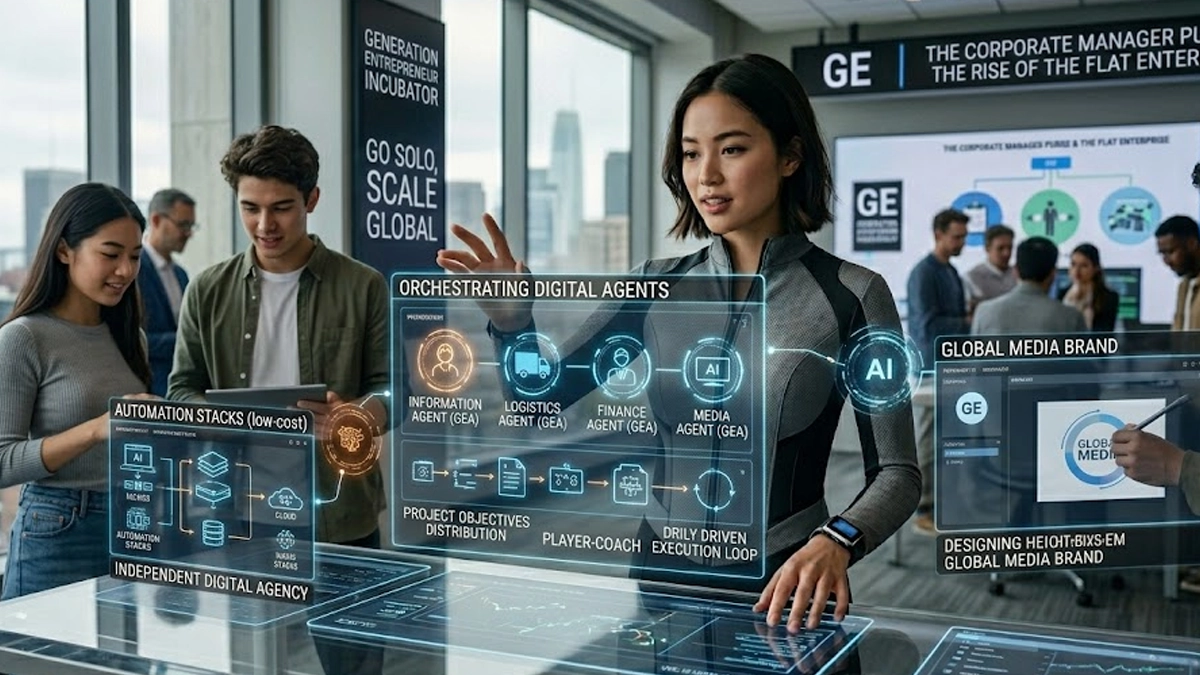
The global technology industry has officially crossed the rubicon from passive digital assistance into the age of absolute autonomy. For the past few years, the conversations surrounding Artificial Intelligence (AI) were dominated by large language models that could generate text, summarize articles, or create art upon direct user prompt. However, May 2026 has brought about a paradigm shift that will permanently alter how humanity interacts with software, search engines, and the global workforce.
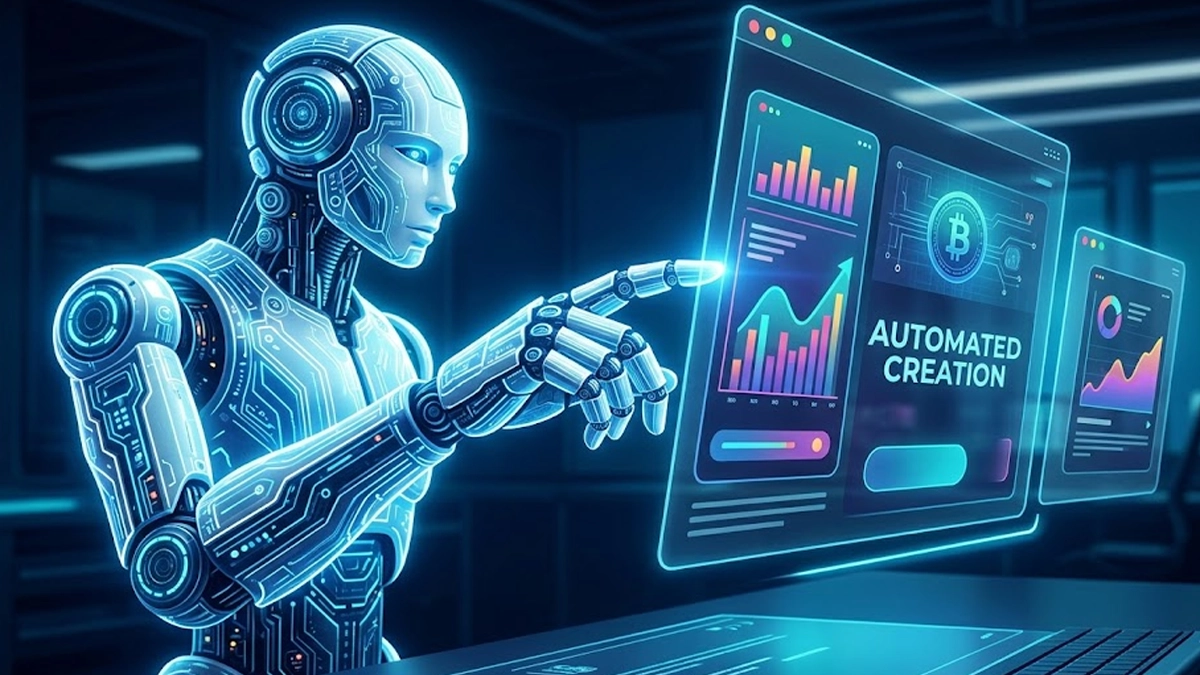
With the recent groundbreaking announcements at Google I/O 2026, followed by enterprise strategic shifts reported by top financial institutions, we have officially entered the “Agentic AI Era.” Artificial intelligence is no longer just a conversational partner; it is now an autonomous execution engine capable of planning, deciding, and completing complex workflows without constant human intervention.
For tech professionals, global entrepreneurs, and digital citizens, understanding this shift is no longer optional—it is the defining factor of economic survival and digital dominance in 2026.
1. What is Agentic AI? Defining the Technology of 2026
To understand why tech giants are shifting billions of dollars into agentic systems, we must first define what makes an AI “agentic.”
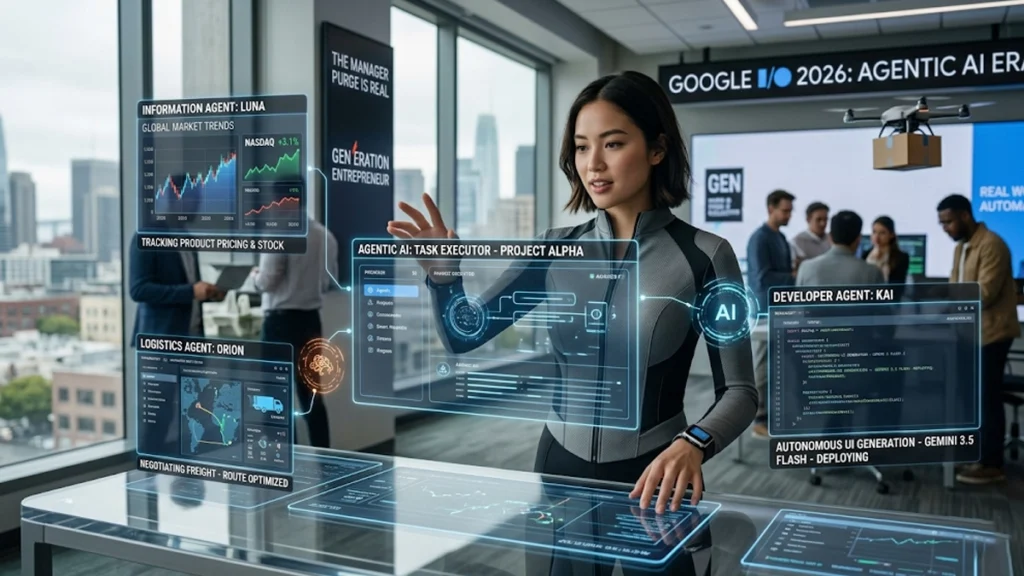
Unlike traditional generative AI tools, which operate strictly on an input-output basis, an Agentic AI system possesses goal-oriented behavior, reasoning capacity, and environment interaction. When you give an AI agent a complex objective, it breaks that objective down into multi-step actions, executes those actions using digital tools, monitors the results, and self-corrects its strategy in real-time until the goal is achieved.
Key Attributes of 2026 AI Agents:
- Autonomy: They do not wait for step-by-step instructions. They execute full chains of logic based on a single high-level objective.
- Tool Utilization: They can autonomously access web browsers, database systems, financial gateways, APIs, and software interfaces to get a job done.
- Context Preservation: They maintain long-term memory across complex, multi-day workflows, ensuring seamless goal tracking.
- Cross-Modal Execution: Modern agents can simultaneously process text, visual assets, real-time code environments, and audio data to complete tasks.
2. Google I/O 2026: Turning Search Into an Execution Engine
At the heart of the latest tech news is Google’s massive overhaul of its core infrastructure. In what industry analysts call the most radical upgrade to search engine tech in over 25 years, Google has integrated native agentic capabilities across its entire ecosystem.
The Transformation of Google Search
Google has transitioned from a search network that redirects users to links into an “AI Search” command center. Powered by the newly unveiled Gemini 3.5 Flash and Antigravity 2.0 architectures, the search bar can now process dense multimodal queries, files, and live videos concurrently.
Instead of typing a search query to find a product or service, users can deploy “Information Agents” inside Google Search. These agents continuously monitor complex global topics, organize findings into persistent dashboards, and execute automated actions, such as tracking product pricing and stock changes via the new Universal Cart feature to execute direct purchases when criteria are met.
Agentic Coding & Ecosystem Collapsing
For developers, Google introduced agentic coding pipelines that dynamically generate live user interfaces, simulate backend database stress tests, and automate software deployments directly within cloud development suites. A recent 2026 study analyzing thousands of open-source software contributions revealed that routine debugging and UI components are now overwhelmingly completed and accepted via AI-authored code pull requests.
3. The 5 Technological Forces Reshaping Global Industry
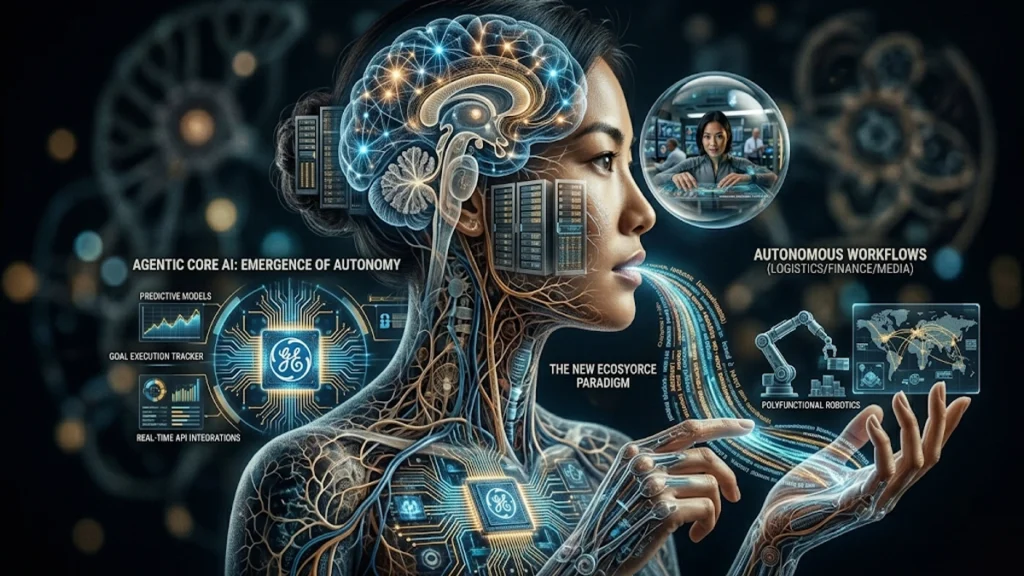
According to recent 2026 enterprise strategy reports from leading financial and tech research firms like Gartner and JPMorgan Chase, the global economy is reorganizing around five structural forces. Let’s analyze how these forces intersect to create the tech environment of today.
                    ┌───────────────────────────┐
                    │     AGENTIC CORE AI       │
                    └─────────────┬─────────────┘
                                  │
         ┌────────────────────────┼────────────────────────┐
         ▼                        ▼                        ▼
┌─────────────────┐      ┌─────────────────┐      ┌─────────────────┐
│ Context-Driven  │      │   Polyfunctional│      │   Predictive    │
│  Architectures  │      │     Robotics    │      │  Cybersecurity  │
└─────────────────┘      └─────────────────┘      └─────────────────┘
Force 1: Context-Driven Architectures & Intent Interfaces
The corporate world has moved away from isolated software applications. The new standard is “Intent-Driven Interfaces.” Instead of switching between dozens of corporate applications (ERP, CRM, Email, Slack), all operational tasks are collapsed into a single, unified AI-native stream. Success is now determined by an enterprise’s ability to give secure, real-time data access to its internal AI agents so they can predict corporate needs.

Force 2: Polyfunctional Robotics (Embodied AI)
The intelligence driving software agents has officially broken into the physical world. Humanoid and polyfunctional robots powered by advanced spatial sensors, digital twins, and edge computing models are moving out of research labs and onto the floors of logistics hubs, manufacturing sectors, and specialized medical facilities. Tech leaders note that industrial robotics are rapidly scaling because these machines can learn and adapt to changing environments as collaborative “teammates.”
Force 3: Predictive and Preemptive Cybersecurity
With malicious actors utilizing highly automated, fast, and relentless AI systems to scan networks for code exploits, traditional, reactive firewall systems have become completely obsolete. Cybersecurity in 2026 is entirely predictive. Defensive AI systems continuously simulate millions of synthetic cyberattacks against their own servers, patching security loops before a human network administrator or a malicious hacker even detects the structural flaw.
Force 4: Quantum-AI Convergence
Quantum computing is rapidly moving out of theoretical physics and into corporate monetization frameworks. Tech firms estimate that roughly 18% to 20% of global quantum algorithm revenues are now directly tied to advanced AI optimization applications. This convergence enables processing power capable of running massive multi-agent simulations that were computationally impossible just twenty-four months ago.
Force 5: Ambient Intelligence
Technology is fading seamlessly into the background of everyday life. From next-generation smart homes to urban centers and healthcare clinics, ambient intelligence relies on continuous, non-intrusive sensor networks that anticipate human requirements, allocate energy grid loads, and manage logistics without requiring active device manipulation or screen interactions.
4. Comparing Generative AI vs. Agentic AI
To clearly grasp the massive economic implications of this transition, we must evaluate how the software capabilities of yesterday contrast with the autonomous infrastructure dominating today:
| Metric / Capability | Generative AI Era (2023 – 2025) | Agentic AI Era (Current 2026 Trend) |
| Primary Interaction Mode | Text Prompts & Chat Interfaces | High-Level Objectives & Intent Streams |
| Operational Workflow | Single-step output; requires constant human oversight. | Multi-step autonomous planning, execution, and tool use. |
| Data Integration | Static model parameters or simple web browsing. | Context-rich, real-time API integrations and cloud environments. |
| Software Management | Requires manual app-switching to execute business tasks. | Collapses multiple applications into a single execution layer. |
| Human Labor Impact | Enhances human output (Writing, Designing, Coding). | Automates complete cross-functional business roles and loops. |
| Infrastructure Focus | Training foundation models on massive textual datasets. | Scaling real-time inference, security governance, and agent memory. |
5. The Workforce Evolution: Navigating the Corporate “Manager Purge”
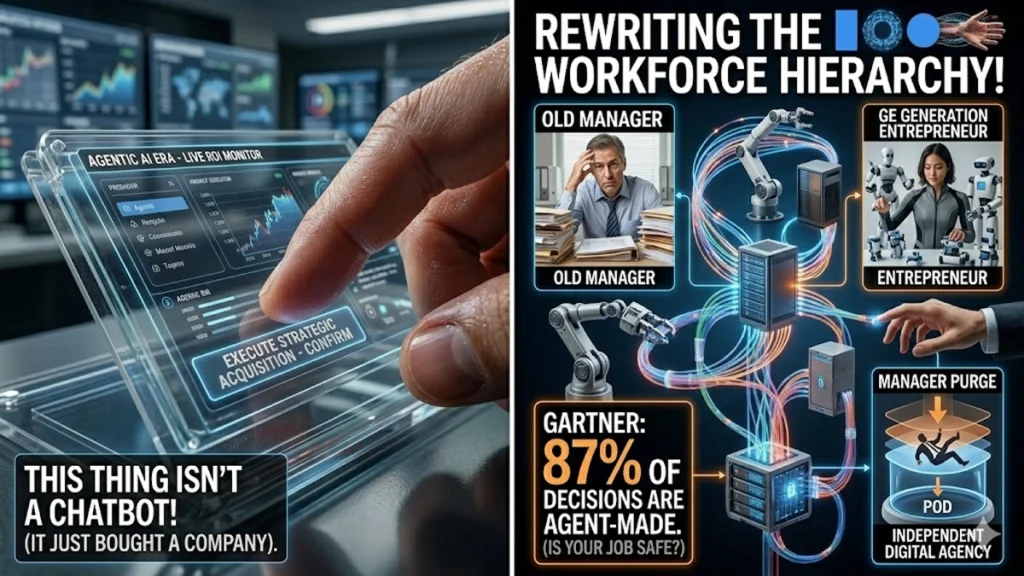
The shift toward autonomous agentic workflows has ignited a massive restructuring across corporate tech ecosystems, completely redefining the traditional workforce hierarchy.
The Rise of the Flat Enterprise
As tech CEOs push for rapid AI implementation to boost efficiency, a clear corporate trend has emerged: the systematic reduction of unnecessary bureaucratic layers and middle-management roles. With AI systems capable of seamlessly distributing project objectives, sharing real-time tracking updates, and managing information loops across global departments, organizations are flattening their reporting structures.
Industry Insight: Major technology corporations are actively transforming their workforce compositions. Projects that once mandated an expansive, multi-tiered team of developers, project managers, and content strategists are now being orchestrated by a single, highly specialized “Solopreneur” or “Directly Responsible Individual (DRI)” leading a team of specialized digital agents.
The Rise of “Generation Entrepreneur”
This corporate realignment has created two distinct waves in the global talent market:
- The Player-Coach Paradigm: For professionals remaining within corporate structures, the modern requirement is to act as a hybrid coordinator. These individuals must act as managers to digital AI agents while contributing directly to strategic vision and algorithmic architecture.
- Gen Z and the Entrepreneurial Pivot: With routine, entry-level, and back-office tracking positions being rapidly integrated into automated AI pipelines, younger professionals are bypassing the traditional corporate ladder altogether. Instead, they are leveraging low-cost automation stacks to launch independent digital agencies, software services, and global media brands, earning them the moniker “Generation Entrepreneur.”
6. Real-World Applications: Where Autonomous Agents Are Driving ROI
Enterprise adoption of agentic AI is no longer a matter of trial experimentation; it is a necessity driven by immediate Return on Investment (ROI). Let’s analyze the sectors experiencing the highest commercial impact.
Global Logistics and Supply Chains
By combining autonomous freight tracking, next-generation solid-state or sodium battery systems, and AI logistics networks, international supply chains are entering a new phase of efficiency. AI agents autonomously negotiate shipping lane prices, instantly re-route assets during geopolitical or weather disruptions, and minimize warehouse storage overheads with predictive inventory control.
Financial Management and Trade Execution
Institutional finance operations have integrated context-driven AI layers to oversee wealth assets, automate complex tax structures, and monitor regulatory compliance across different global jurisdictions. On a consumer scale, automated agents can manage personal investment portfolios, shifting funds in real-time based on live micro-economic indicators.
The Death of Language Barriers in Media
Simultaneous real-time audio and video translation has reached near-zero latency with flawless vocal intonation mapping. This technological milestone has turned language into a secondary barrier for global news distribution, entertainment, and commercial outreach. International media platforms can now instantly broadcast localized variations of their content to audiences worldwide, completely altering the dynamics of global digital traffic.
“For instance, platforms like Karachi Updates 24 are leveraging these digital advancements to bring real-time localized Urdu news to millions of users instantly.”
7. Challenges and the Path Forward: Security, Provenance, and Governance
While the potential of the Agentic AI Era is breathtaking, it brings forth an entirely new set of systemic challenges that enterprise leaders, governments, and developers must resolve.
The Problem of Digital Provenance and Trust
As automated agents generate, remix, and publish massive amounts of cross-modal digital media, the internet is facing an unprecedented authenticity crisis. Discerning between authentic human reporting and entirely synthetic AI-generated media is a core challenge. This has accelerated the development of strict “Digital Provenance” technologies—cryptographic watermarks and decentralized verification ledgers designed to track the origin and authenticity of digital information.
Security Defenses in an Autonomous World
Giving AI agents access to live credit cards, confidential internal data, and critical corporate APIs introduces significant security risks. If an agent’s reasoning framework is compromised via prompt-injection or algorithmic manipulation, it could execute highly damaging actions before security teams notice. Consequently, implementing rigid data compliance frameworks, explicit agent permissions, and constant cryptographic monitoring is a top priority for corporate tech infrastructure in 2026.
8. Conclusion: Embracing the Future of Autonomous Innovation
We are witnessing a profound structural shift in the history of human innovation. The transition into the Agentic AI Era means that competitive advantage is no longer determined by access to scarce human labor or manual execution capacity. Instead, the future belongs to the individuals and organizations that can effectively design, govern, and scale networks of artificial intelligence agents.
As traditional application silos collapse into unified, intent-driven digital environments, the barrier between a human concept and its execution has effectively been reduced to zero. Whether you are building an international enterprise, managing a global news agency, or developing software architectures, the mandate for 2026 is clear: adapt your systems for absolute autonomy, or watch your workflows get automated out of existence.



Leave a Reply